Wednesday, 13 April 2016

CONTENTS PAGE ANALYSIS


This Q contents page's layout is in dual columns and separate blocks, which looks neater as the information is organised into appropriate categories. The titles of the stories are in a simple, bold and capitalised font and are all tightly compacted to get more content on the page and therefore have more articles on a singular page. The images shown are on the middle and right third of the page and the first one takes up at least 75%of the page overall, suggesting the feature is the main article in the magazine. The whole band is visible and the clothes they're wearing are all blacks and greys which is quite simplistic but can give the impression of their band genre. The location is up a mountain which can show isolation but also success and rising above others. The second picture on the page is in the centre of the lower third and is of a man leaning on a column, illustrating a different section to the magazine. The page numbers are positioned on the very left, before their page article names, and are in the same font. In addition they are on the images which gives the reader a visual queue of where the article is and what it is about. The colour scheme is simplistic as the colours used are black, white and red, these colours complement each other and gives the magazine a refined look which makes it also look more professional.


Monday, 11 April 2016

DOUBLE PAGE SPREAD


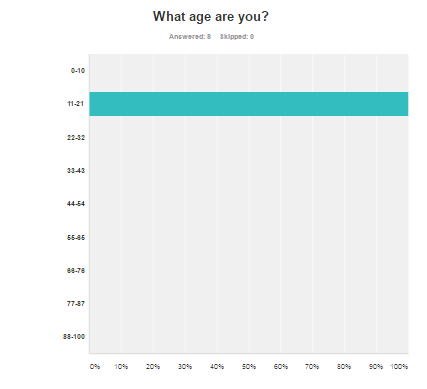
RESEARCH - QUESTIONNAIRE


Results graphs


DOUBLE PAGE SPREAD ANALYSIS


CONTENTS PAGE


MAGAZINE INSTITUTIONS


What is an institution?
An establishment in charge of distributing, marketing and producing different media products:

  1. Time Inc.
  2. Bauer Media Group
  3. Emap
  4. Development Hell Ltd

Time Inc.-

Time Inc. UK is Britain’s leading publisher of print and digital magazine content. With more than 60 iconic brands - including Decanter, Country Life, Horse & Hound, NME, What's On TV and Wallpaper* - Time Inc. UK (formerly IPC Media) creates content for multiple platforms, across print, online, mobile, tablets and experiences.


Bauer-


Bauer Media is a division of the Bauer Media Group, Europe’s largest privately owned publishing Group. The Group is a worldwide media empire offering over 300 magazines in 15 countries, as well as online, TV and radio stations.


These two institutions are both linked to the distribution, marketing, and producing of NME, one of the largest British music journalism magazine, and it is largely associated with rock, alternative and indie music. It was the first British paper to include a singles chart, in the edition of 14 November 1952. In the 1970s it became the best-selling British music newspaper. During the period 1972 to 1976, it was particularly associated with gonzo journalism (self-involved reporting), then became closely associated with punk rock through the writings of Julie Burchill, Paul Morley and Tony Parsons. It started as a music newspaper, and gradually moved toward a magazine format during the 1980s and 1990s, changing from newsprint in 1998. However the main company that owns and helped NME become one of biggest magazines and had further audiences to reach is Time Inc., which would mean more publicity for my magazine and a higher chance of it becoming successful and a popular magazine, producing more income overall.